Each of the following projects have been centred around location, listening, and responses to place. The music re-imagines flute sounds and techniques, merging with and enhanced by experimental electronics sounds. Environmental sounds underpin some works, as counterpoints and new resonances emerge as intentional, revealing sonic constructs and spectra.
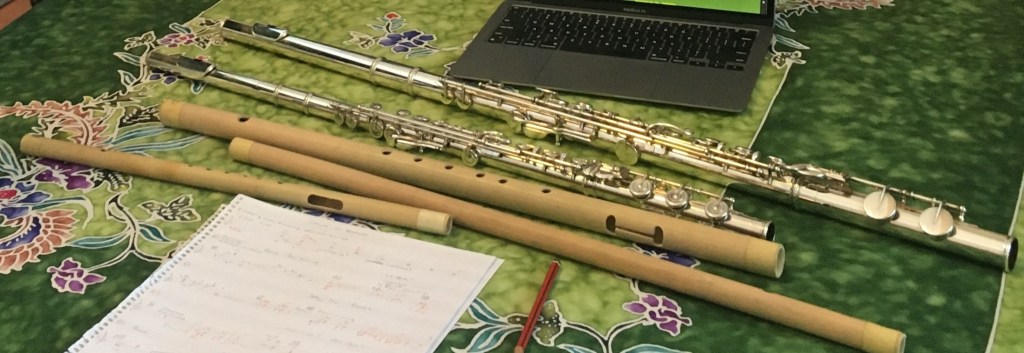
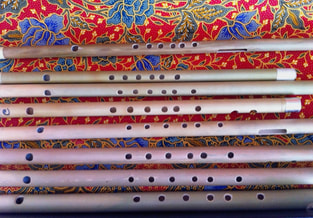
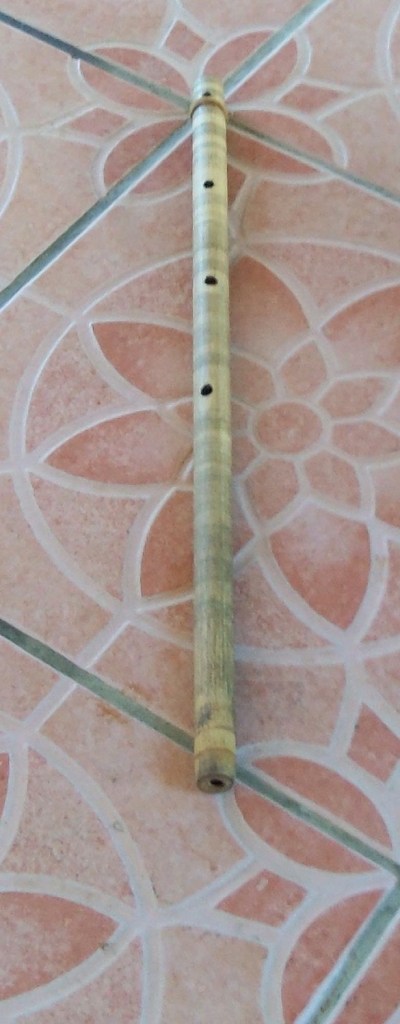
| Circles of breath for flutes and electronics Western concert flute, alto flute and three Malaysian/Indonesian bamboo flutes combine with electronically activated sonic transformations and illusions of cultural interplay. Pitches waver, different flute tones merge and emerge, and microsounds and electronic effects create a space for reflection. Memories of humidity, heat, scents, sounds, sights, mountain air, smoky air, and food tumble together; the music at times is fragmentary, but with flute sounds repeatedly adhering to one another; the lines simple, but wavering back and forth, meandering and converging throughout the piece. The flute and electronic techniques come together in a dreamlike sequence of intercultural interplay, immersion and reflection. Listen to the piece, Circles of Breath for 5 flutes and electronics here Read my article published in Resonance: The Journal of Sound and Culture, Vol. 6, Number 4, pp. 340–363. Electronic ISSN: 2688-0113 © 2025 by The Regents of the University of California here https://online.ucpress.edu/res/article-abstract/6/4/340/214304/Circles-of-BreathThe-Interplay-of-Intercultural?redirectedFrom=PDF or here |
_______________________________
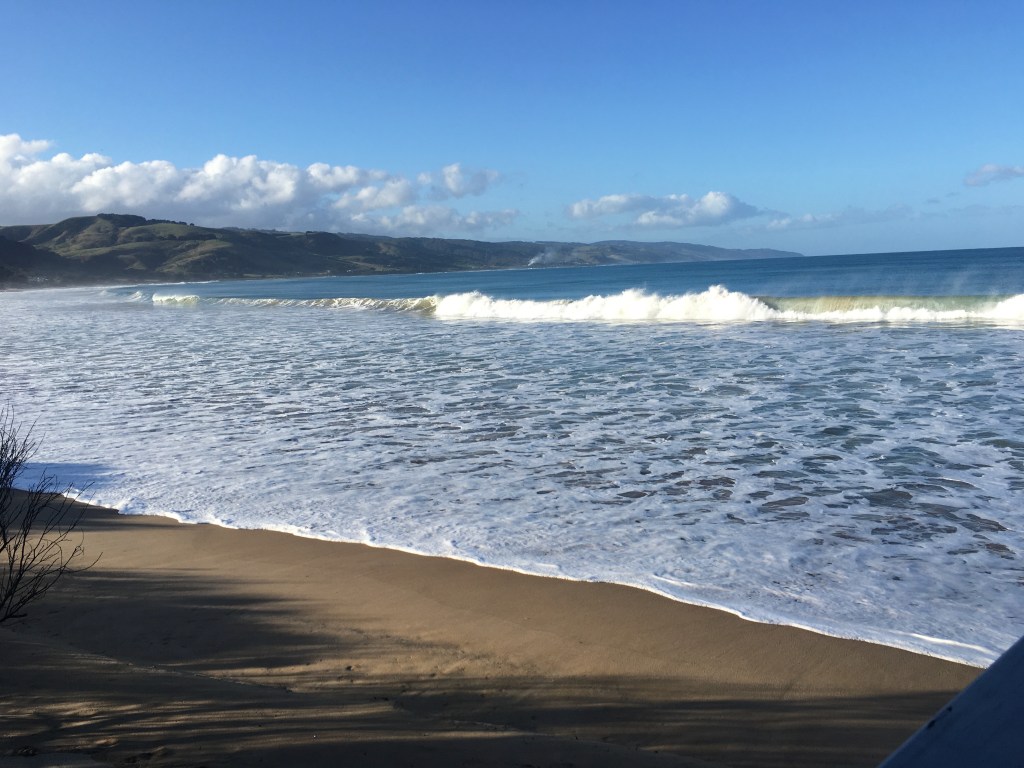
Gadubanud Coastlines for flute and electronics
Inspired by the magnificent south coast of Victoria, this project connects environmental sounds, flute sounds, digitally generated sounds (fixed and live), and imagery in a re/presentation of sensations of place. Cross-over experiential practices of performance, creativity, and written texts explore multiple materials, sensations of place. Cross-over experiential practices of performance, creativity, and written texts explore multiple materials, sensations, constructs, temporalities, and imaginative realities.
See video here
Read article https://thebabelflute.com/coastline-project/
Listen to audio only here
_______________________________
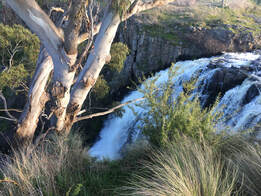
New sounds: Ancient resonances: Re/presenting Lal Lal Falls in music for flute and electronics
This project revolved around the creation of a semi-improvised composition for flute and electronics, intended as an abstract re/presentation of an experience of place. The Lal Lal Falls are located in Western Victoria, Australia, 25 kilometres southeast of the goldfields city of Ballarat. Lal Lal, meaning ‘the dashing of waters’ in the indigenous language of the Wathawurrung people, has also been known as Woringganninyoke. The Falls are situated on Lal Lal Creek, about a kilometre from the edge of the Lal Lal Reservoir. It is a significant ancient site of multiple geological, indigenous, colonial and present-day interconnections. Blended dimensions of acoustic flute, electronics, imagery and live performance created a semi-improvised composition intended as a response to this landscape.
Read my article about this project in the Orpheus Institute (Ghent) online journal, ECHO, Issue 4: New Mimesis, (Ed. Jonathan Impett) published in February 2023 at https://echo.orpheusinstituut.be/article/new-sounds-ancient-resonances-re-presenting-lal-lal-falls-in-music-for-flute-and-electronics
Listen to the piece, Lal Lal Falls for flute and electronics, at https://jeanpenny.bandcamp.com/track/lal-lal-falls-for-flute-and-electronics
_______________________________
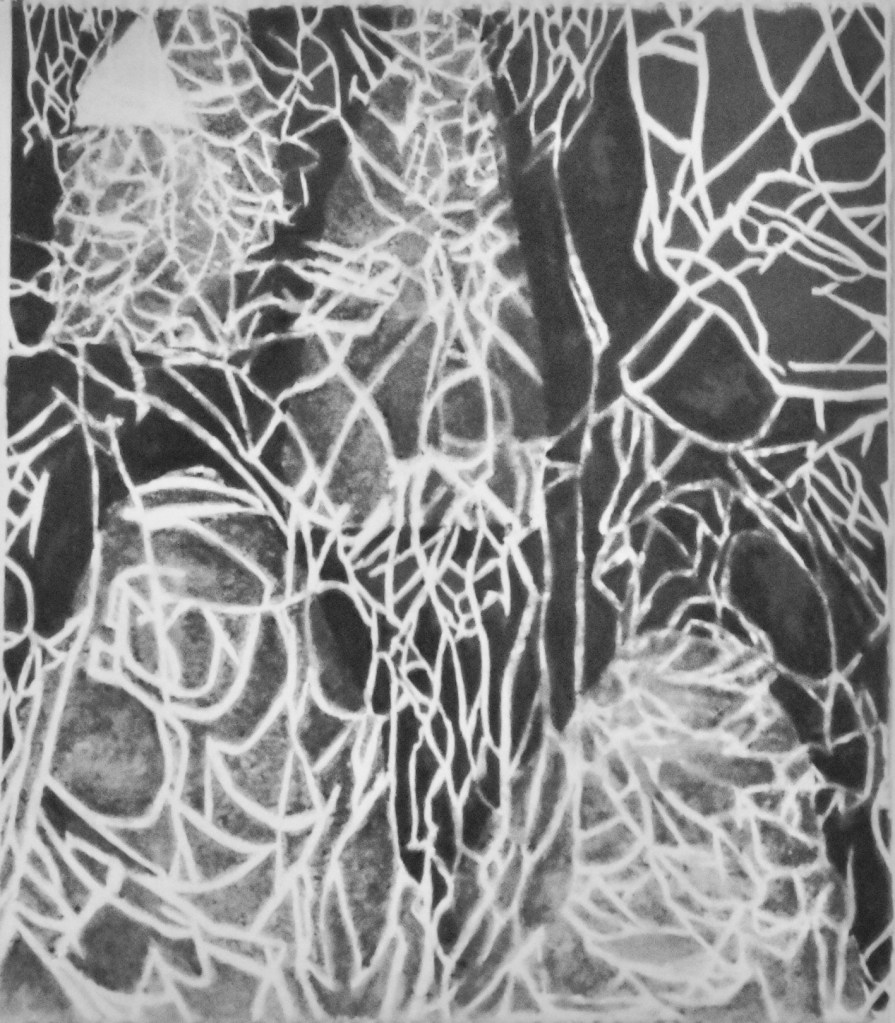
3 Postcards from lockdown: Translating visual art to music for flute and live electronics
3 postcards from lockdown, created in the 2020 lockdown, is a semi-improvised, original work comprising 3 miniature musical dialogues. It involves intersemiotic translations of postcard-sized visual artworks hanging in the author’s home to music for flute and electronics. the research poses questions about processes of sensation extraction, notation, instrumental and computer collaboration, and performance.
Read my article on this project, Postcards from lockdown: Translating visual art to music for flute and electronics, in Music and Practice, Vol 9, 2021 at
https://www.musicandpractice.org/postcards-from-lockdown-translating-visual-art-to-music-for-flute-and-electronics-2/
Listen to the piece at https://jeanpenny.bandcamp.com/album/3-postcards-from-lockdown
_______________________________
Making Place Project
Katharine Norman: Making Place, for instrument and live electronics (2013, rev. 2016)
Katharine Norman’s work, Making Place for instrument/s with live electronics (2013/16), combines recorded sounds, images, text, live interactive processing and instrumental music performance to create a unique experience of place. As the performer, I can choose a location, collect photographic images and field recordings, and interpret and re-create the semi-improvised score. The piece is structured around a poem (written by the composer) that describes thoughts and sensations occurring in a walk – a quotidian walk set in familiar surroundings. Have created 2 versions: the first based on my time living in Malaysia, and the second based near a walking track near my home in Australia
Version 1
– a Malaysian version created for flute by Jean Penny (2019-20)
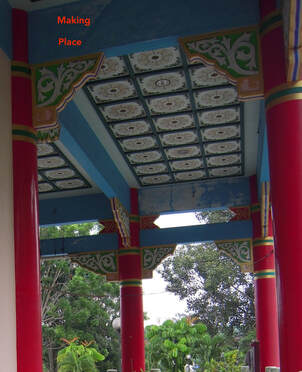
Making Place represents a walk along a path, a mapping of the quotidian, the familiar. It is a ‘poetic exploration of place, and place making’ (http://www.novamara.com/making-place-2/). The score is semi-improvisatory, consisting of many composed and freely pitched musical gestures; it is an interactive work, where the performer’s playing triggers texts, visual animations and sound processing.
I have re-imagined and adapted Making Place for flute (it was originally written for piano) and located it in Malaysia. The original photos and sounds of an English environment have been replaced with images and sounds we recorded in Malaysia during our years of living and working at the Universiti Pendidikan Sultran Idris, Tanjong Malim in central Malaysia. Shifting this walk to a place that was once just outside the window of my Faculty office, became the basis for profound music making and writing. Sifting through photos and hunting for recordings of the locality (which we had casually captured in passing) brought back many memories and connections to place: evening walks undertaken in and around the university when the cool air after sunset relieved the heat of the day a little; the humidity hanging in the air, along with the heavy darkness after yet another glorious sunset; the tropical clouds that had gathered all day vanished; the scents of countless evening meals—curries, fried fish, rice, char kway teow, chilli, papaya—and, as often as not, the durian stalls along the roads. Around nine o’clock on these evenings, students would begin to arrive for rehearsals that might continue until midnight, taking advantage of empty rooms and cooler conditions. Walks often took us out to the UPSI Proton City campus where we would hear the call to prayer coming from multiple directions and echoing back from the nearby mountains. There we also recorded bull frogs and birds, and everywhere there was intermittent (and not so intermittent) traffic noise. The Mak Yong rehearsal was occurring in the Pangung Budaya of the faculty one evening. It is a traditional form of theatre originating in north western Malaysia that incorporates dance, drama and music. These sounds and images were part of our everyday experiences.
Making Place is in 5 sections. The 1st features isolated, monolithic flute gestures against processed environmental sounds and images; the 2nd traces stilted, meandering pathways; the 3rd, static and fragmentary, uses harmonisation to create shadowy, layered textures; the 4th becomes increasingly frenetic with short, colliding flute gestures leading to a final slow, reflective section.
Video link https://www.youtube.com/watch?v=zY8mY8FRp1k
Version 2
– an Australian version created for alto flute by Jean Penny (2020)
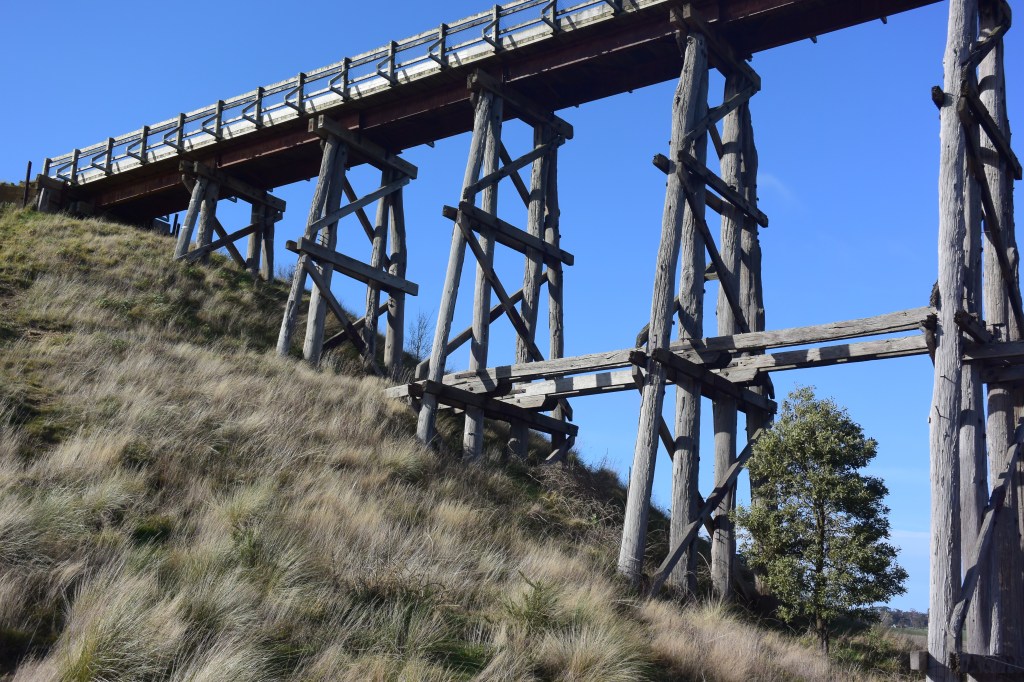
In this version I re-located, re-conceptualised and re-arranged Katharine Norman’s work for alto flute. The COVID-19 pandemic, in encouraging a turning towards the inside, towards re-evaluations of intimacy, and a deeper awareness of the nearby, has inspired a more quotidian version of Making Place centered around a walking/cycling trail, originally a railway track, near my home in Victoria, Australia. The Ballarat-Skipton rail trail covers 55 kilometers between the city of Ballarat and the small town of Skipton and includes (24) entry points at the sites of old stations. The track passes through native grasslands, swamps, forests, towns, and farmland, and crosses several historic trestle bridges. This was goldrush territory in the 19th century: at each ‘stop’ or ‘station’ along the track a brief history is given, with emphasis on the gold mining, colonial developments of the area and the establishment of the railway (now defunct). A much briefer reference to earlier history is given here and there of the First Nations people (Australian Aborigines), the Wadawurrung and Dja Dja Wurrung people, whose connection with this area goes back tens of thousands of years. This story is far more difficult to find and emerges as a muted underpinning, a murmuring that prompts contemplations of ancient societies and contemporary connections. Environmental sounds heard in this rural location are muted: frog calls, birds (kookaburras, magpies, parrots), our footsteps, the ever-present wind, the gate at the end of the trail, an occasional nearby car or dog bark, and the greetings of infrequent fellow-trekkers.
Video link https://www.youtube.com/watch?v=LeBOvtqLp0s&list=RDLeBOvtqLp0s&start_radio=1
_______________________________
Malaysian Research Projects
The following files include examples of funded research projects untaken while living and working in Malaysia from 2011 to 2016 as Senior Lecturer at the Faculty of Music and Performing Arts, University Pendidikan Sultan Idris, Perak, Malaysia. The highest level of grant (FRGS) was awarded for two major projects in Malaysia, which allowed for extensive and innovative work to occur. Information on an earlier project funded by the university (GPU) follows.
The Imaginary Space: Developing models of a Malaysian/Western electroacoustic music. Fundamental Research Grant Scheme, Code 2012-0028-107-02, Malaysian Government 2012-14 – leader
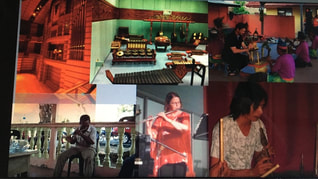
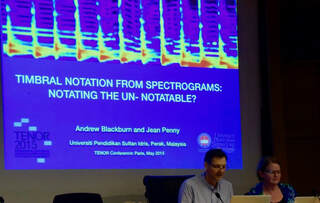
Spectromorphological Notation – Notating the unNotatable? Modeling a new system of timbral and performance notation for ethnomusicological, musique-mixte and electroacoustic music compositions. Fundamental Research Grant Scheme, Malaysian Ministry of Education 2013-16 – co-researcher
New Music Creation, Development and Performances. GPU University Grant 2013 Code 2012-0063-107-01- leader
Documenting Pipe Organs in Malaysia for Heritage and Sustainability. (2014-15) GPU (Universiti Pendidikan Sultan Idris Grant) – co-researcher
_______________________________
Doctor of Musical Arts Thesis (2009, Queensland Conservatorium Griffith University)
The extended flautist: Techniques, technologies and performer perceptions in music for flute and electronics
Read thesis here
https://research-repository.griffith.edu.au/items/d0b2e245-3e03-5314-ba1d-804e5746979b

 jeanpenny.com